About
Impact is a privately held, family-owned business that has been operating for more than two decades. It started as a copier and print company and moved into managed IT services around 2015, building that business organically into what now accounts for more than 60% of revenue. Today Impact turns over around $200 million a year. It provides managed IT, cloud, AI, managed marketing and print services, with cybersecurity delivered through its sister business, DOT Security. Impact serves customers in almost every industry from offices in Ohio, Indiana, Wisconsin, Illinois, Texas, Arizona and California.
The Challenge
Impact’s managed IT business grew from nothing to around $50 million in its first five to six years, then doubled to $100 million in the two years that followed. As sales moved upmarket, customers changed too. Impact went from supporting businesses of 20 to 30 users with standard setups to organisations of 200 to 500 users with their own software and ways of working.
The systems behind the business had not been built for that scale. Impact had developed its own platform early on, because the PSAs available at the time could support managed IT but not its other service lines. Around it sat a mix of home-grown and off-the-shelf tools with more complex integrations than they needed. As the company grew, those systems began to fail. Teams were siloed and sometimes worked on the same problem without knowing it. A deal, the client record, the agreement and service delivery were four separate things, each relying on data entered by hand, with room for error at every step. Leadership found it hard to get consolidated data to run the business.
Impact’s first choice of replacement didn’t work. Less than a third of the way into rolling it out at DOT Security, the team already had a list of workarounds and was being pushed into an operating model built around the software. Impact used an exit clause in the contract and went back to the market.
“We were really, really siloed, which just created a poor customer experience, and it created a lot of frustration on our side.”
Patrick Layton, President of Managed IT Services, Impact
The Solution
Impact evaluated three to four platforms before choosing Halo. It wanted a platform flexible enough to support the way it runs its business, and a partner prepared to work with an MSP of its size. Like Impact, Halo is privately held and organically grown, and the team found the two businesses shared the same long-term outlook. Impact also valued being connected with other Halo MSPs, comparing how they work and sharing what had been successful elsewhere.
Impact proved the approach first at DOT Security, with around 40 users, before starting the main rollout in April 2025. Around 350 Impact users went live that October, with the old system switched off on the day. Ahead of the move, Impact had already shifted from branch-based support to a centralised, ITIL-based model. That meant the change for staff at go-live was the software, not the whole way of working.
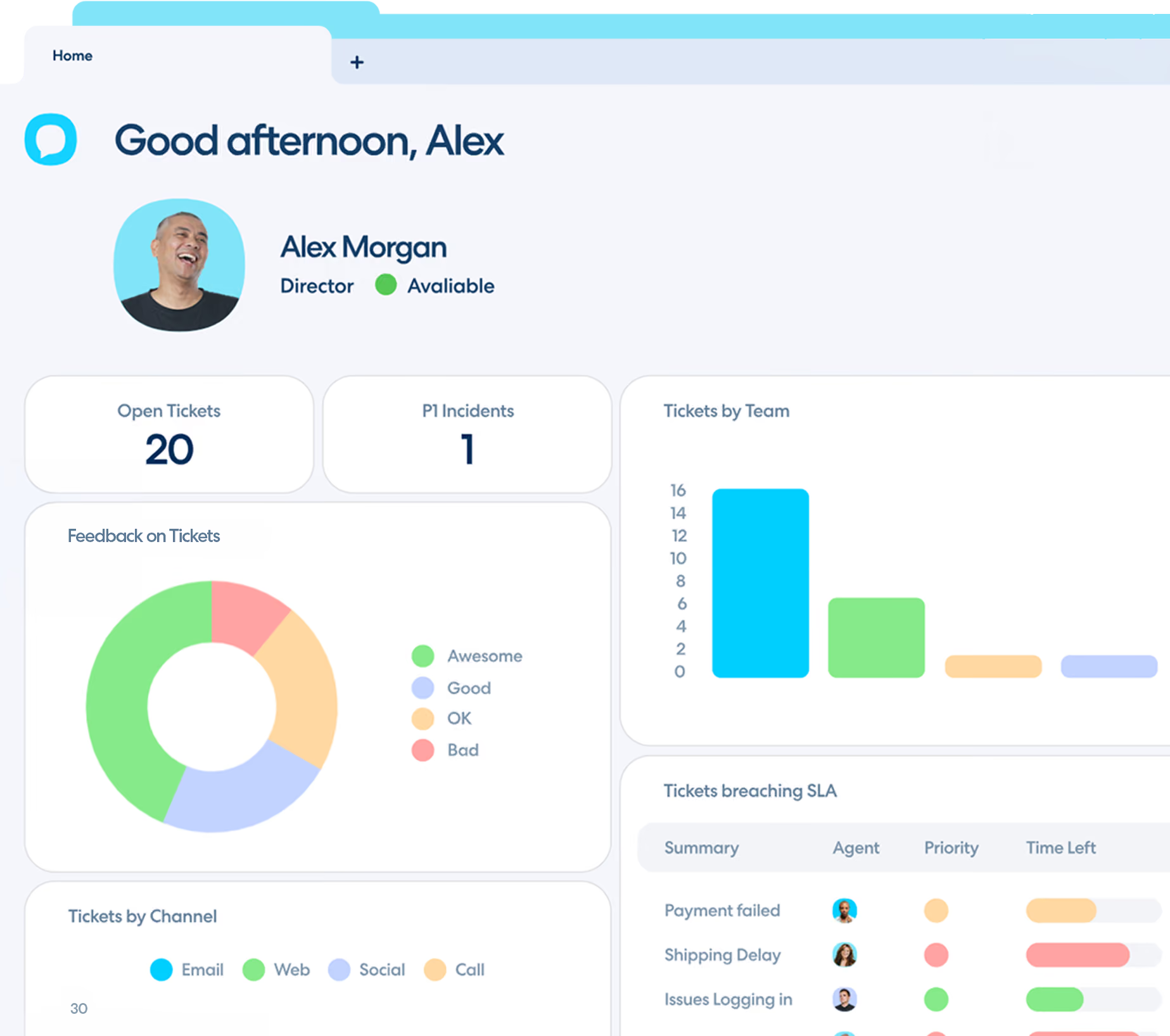
Halo now runs Impact’s service desk, projects and quoting on one platform. A signed quote creates the project tickets and sales orders, so project managers have the work soon after a deal closes, whether it’s a new customer or a change order. Tickets can move between teams, each with their own workflows, without getting lost in a queue along the way. DOT Security runs its own Halo instance, set up for outbound security work, and tickets pass between the two for shared customers.
For Impact, the relationship has been collaborative from the start. When the team needed something the platform didn’t yet do, they worked through it with Halo. Sometimes that meant a solution using custom fields and automations. Other times it meant a change going onto the roadmap, where Impact could see and track it. Impact’s requirements have already helped move the product forward, and the team expects that to continue as both businesses grow.
“In this industry, we rarely see the change that Halo has given us. We say, hey, we want to do this, here’s why, and they say, cool, let’s figure out how to make it work.”
Patrick Layton, President of Managed IT Services, Impact
The Results
- A calm go-live at scale. Around 350 users moved onto Halo in six months, replacing the old system in a single switchover.
- Continuous improvement. Impact released hundreds of enhancements in its first six months on Halo, based on feedback from employees and customers.
- One platform instead of many. Halo replaced Impact’s home-grown platform and up to six other tools, bringing cost savings alongside a more connected service.
- Staff freed up. Signed deals flow straight into project tickets and sales orders, cutting out re-keying between teams and moving people from basic admin to higher-value work.
- One view of the business. Consolidated data is now in one place, making it easier for leadership to see what is happening and make decisions.
- AI coaching on every ticket. Halo’s single data platform enables Impact’s AI coaching. Every ticket is reviewed against what was promised to the customer, with feedback for staff and managers. Halo’s native AI also provides ticket summaries.
With the core platform in place, Impact’s focus has turned to customer experience. It is making it easier for customers to reach the business across more channels, using AI, with Halo connecting the rest of its tools.
“We made the right decision. We’re on the right platform. I believe the platform will carry us to the next iteration of growth.”
Frank DeGeorge, Chief Technology Officer, Impact